Forays further afield
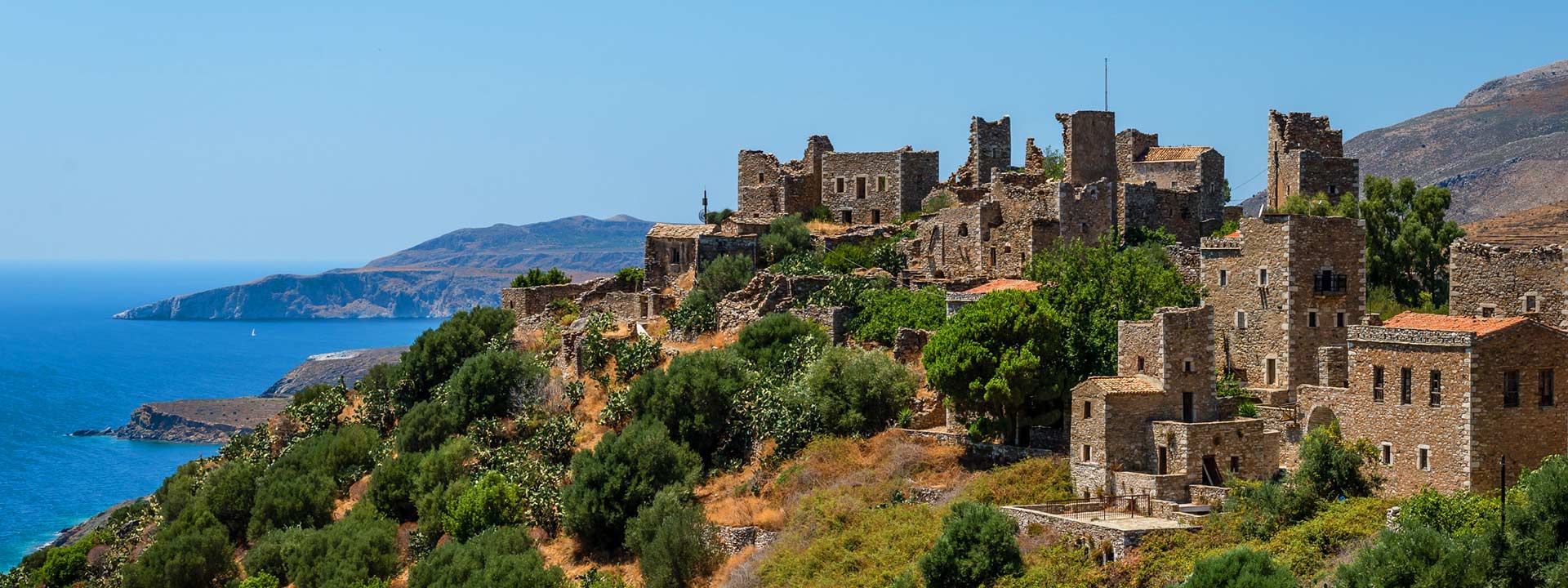
In Mani and Messinia, the traveller discovers a landscape where myth and history intermingle with an almost theatrical intensity. The Mani Peninsula, rugged and stoic, is crowned with stone tower houses that rise like sentinels above terraced olives and dry ravines. Small coastal settlements—Limeni, Gerolimenas, Vathia—invite quiet wandering, their harbours edged with Venetian echoes and Byzantine chapels softened by centuries of salt and sun. Cultured travellers often find that the true pleasure lies not in ticking off sites, but in absorbing the region’s austere beauty: the light on Taygetos at dusk, the clatter of goat bells in a deserted mountain lane, the solemn stillness of abandoned monasteries.
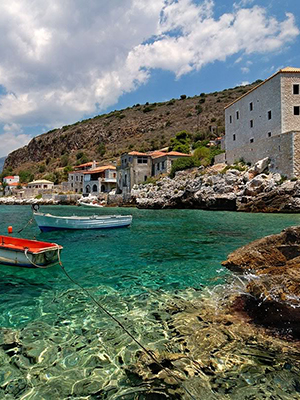
Messinia offers a gentler counterpoint, with fertile plains, cypress-lined roads, and a coastline shaped by medieval fortifications and turquoise bays. Here, excursions may begin with the perfect geometry of Ancient Messene—one of Greece’s best-preserved classical cities—before wandering south toward the mighty castles of Koroni, Methoni, and Pylos. These structures, layered with Byzantine, Venetian, and Ottoman histories, feel like open-air archives that reward patient exploration. Between them lie villages where life moves at a measured rhythm, and where long lunches in vine-covered courtyards become as memorable as any archaeological sight.
Together, Mani and Messinia form an itinerary ideal for travellers who savour depth and texture. The contrasts are part of the allure: Mani’s stark, almost primordial drama pairs beautifully with Messinia’s pastoral calm. Days may be spent hiking stone paths, swimming in secluded coves, or lingering in small museums that reveal unexpected stories of resistance, seafaring, or monastic scholarship. Evenings bring atmospheric towns, refined regional cuisine, and the sense of having ventured into a corner of Greece where authenticity survives not by design, but by centuries-old habit.